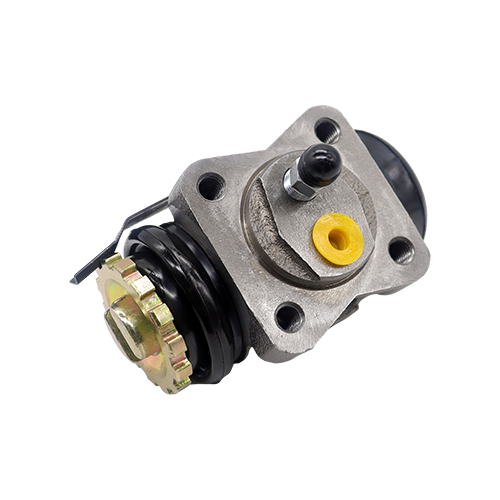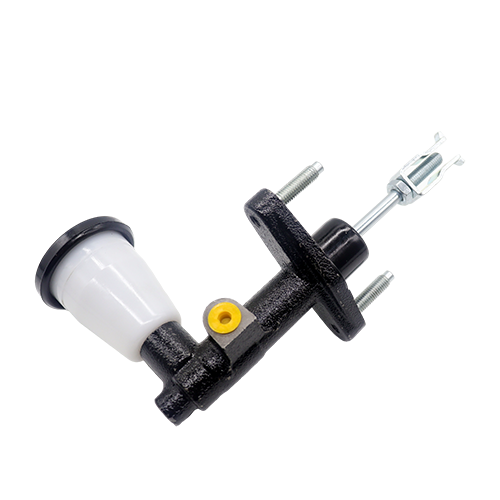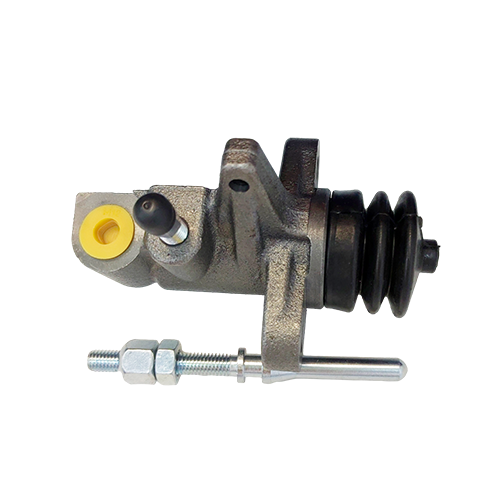
If you have ever pressed the clutch pedal and felt it sink without much resistance, you already know how frustrating it can be. A spongy clutch pedal makes driving uncomfortable, and in some cases, even dangerous. The problem is usually air trapped in the hydraulic system. For mechanics or business owners who service clutches, knowing how to bleed a clutch slave cylinder is an essential skill. It not only solves the issue quickly but also shows customers that you know your craft.
Why Do You Need to Bleed the Clutch

Before learning the steps, it’s important to understand why bleeding matters at all. Many people overlook this process, but for a clutch system, it can be the difference between smooth driving and constant trouble.
Common Signs of Air in the Clutch System
- Soft pedal feel — The clutch pedal feels weak or sinks too easily.
- Spongy response — Instead of a firm push, the pedal feels bouncy or inconsistent.
- Gear shifting problems — Drivers may complain that gears grind or won’t engage smoothly.
- Strange engagement point — The clutch may grab too low or too high, which confuses drivers and signals that something isn’t right.
When Is Bleeding Necessary?
- After replacing parts: If the slave cylinder, master cylinder, or clutch line has been changed, air often enters during installation.
- After fluid leaks: Even a small leak can let in air, and air pockets reduce hydraulic pressure.
- After fluid change: When fluid is drained and replaced, air may remain inside if not bled correctly.
- Whenever symptoms appear: If a customer complains of the issues above, bleeding should be the first step before looking for bigger problems.
The air release operation of the clutch slave cylinder is not just a simple operation—it restores the proper hydraulic action that makes the clutch reliable. For a workshop, doing this well builds customer trust and prevents repeat complaints.
How to Bleed Clutch Slave Cylinder

Now let’s move to the practical part. This section will be the main body because this is where professional service makes the most difference. The process is not complicated, but it does require attention to detail and a certain level of patience.
Tools and Materials You Need
Before starting, gather everything. Being prepared saves time and avoids mistakes. You’ll need:
- Fresh brake or clutch fluid (DOT 3 or DOT 4, depending on the car manufacturer)
- A wrench that fits the bleeder screw
- Clear plastic hose (to observe air bubbles leaving the system)
- A small container or bottle to catch the old fluid
- Gloves and rags (hydraulic fluid can damage paint and irritate skin)
- An assistant (for the traditional method)
Step-by-Step Instructions
Step 1: Check and Refill Fluid
Start with the clutch master cylinder reservoir. Open the cap and check the fluid level. If it is low or dirty, refill it with fresh fluid. Always use the type recommended by the manufacturer. Keeping the reservoir full is the most important rule—if it runs dry, you will introduce new air, and the whole process will have to start again.
Step 2: Locate the Slave Cylinder and Bleeder Screw
The clutch slave cylinder is usually mounted on the gearbox or bell housing. Look for a small valve-like screw on the cylinder body—that is the bleeder screw. Clean the area around it so no dirt enters the system.
Step 3: Attach the Hose and Bottle
Slide one end of the clear hose onto the bleeder screw. Place the other end into the container, partially filled with brake fluid. This prevents air from flowing back in and lets you see bubbles coming out.
Step 4: Press and hold the clutch pedal
Please sit in the driver’s seat and press the clutch pedal several times. On the last press, you should press the pedal down and hold it in that position.
Step 5: Open the Bleeder Screw
While the pedal is held down, use the wrench to slowly open the bleeder screw. Fluid mixed with air will flow out into the hose. Once it stops, tighten the screw again. Only then should your assistant release the pedal.
Step 6: Repeat the Process
Keep repeating steps 4 and 5. Each time, check the reservoir and top it up so it never runs dry. After several cycles, you should see fewer bubbles in the hose until only clean fluid flows.
Step 7: Final Tightening and Test
When you’re sure no more air bubbles are coming out, go ahead and snug the bleeder screw down nice and tight. Take off the hose, wipe away any brake fluid that might have dripped, and put the cap back on the reservoir. Now, press the clutch pedal a few times—if it feels solid under your foot and the gears slide in smoothly, you’re all set.
Tips: How to Bleed Clutch Without Pump
Some workshops may not have access to a vacuum or pressure pump. Luckily, bleeding a clutch can still be done with simple tools and patience. Here’s how:
- Gravity method — Fill the master cylinder, open the bleeder screw, and let gravity pull fluid down the line. Keep the reservoir topped up. This can take longer but requires no assistance.
- Bottle method — Similar to the standard method, but you connect the hose to a bottle partly filled with fluid. You can then pump the pedal yourself. The fluid in the bottle prevents air from going back in.
- Manual push method — Remove the slave cylinder, tilt it so the bleeder screw is at the highest point, and push the rod by hand while opening and closing the screw.
These methods are slower than using a pump, but they work when you need a quick solution without extra equipment.
Special Notes for Different Vehicle Types

Bleeding a clutch slave cylinder is not always the same for every vehicle. Some setups require extra care. Here are three common cases you should know:
Small Passenger Cars
Most small cars have an external slave cylinder. These are simple to bleed, but the space can be tight. Use a longer, clear hose so you can route it upward and watch for bubbles without struggling under the car.
Trucks and Heavy Vehicles
Trucks often have longer hydraulic lines, which trap more air. Raising the front of the vehicle slightly helps the air move toward the bleeder screw. Always recheck for leaks—loss of pressure in a truck can quickly lead to clutch failure.
Concentric Slave Cylinders
Some newer cars hide the slave cylinder inside the gearbox bell housing. These are harder to bleed. The gravity method or a pressure tool usually works better than pumping the pedal. If the pedal still feels soft, the gearbox may need removal to check the internal unit.
Conclusion
Bleeding a clutch slave cylinder may seem like a small job, but it has a big impact on how a car feels to drive. A firm clutch pedal and smooth gear changes make the difference between frustration and confidence for the driver. For workshops, doing this task carefully is not only about solving a technical issue but also about showing professionalism. By following standard procedures and paying attention to operational details, you can avoid recurring problems and gain your customers’ trust with your professionalism.