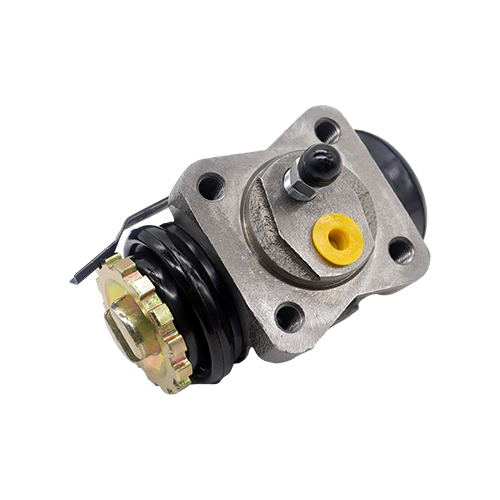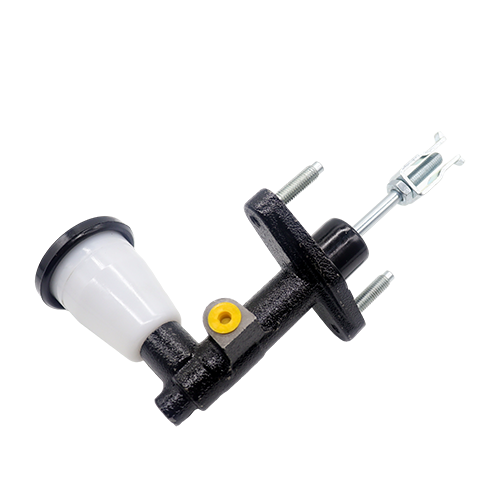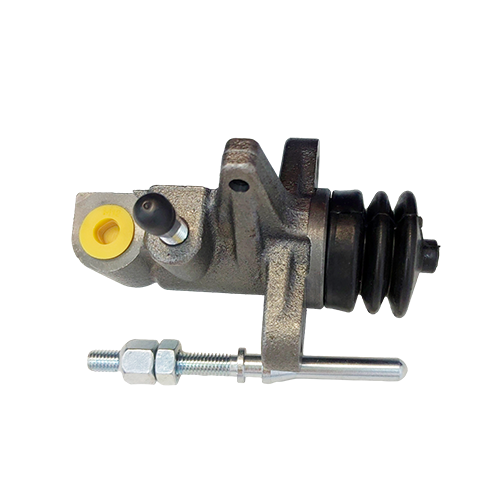
A brake master cylinder does not come with a mileage limit, but buyers keep asking for one anyway. When you stock parts against the wrong expectation, returns climb and your reputation absorbs the cost. The solution is not a number. It is a selection process built around duty cycle, vehicle mix and market conditions.
There is no universal mileage figure for a brake master cylinder. Ranges commonly cited in the aftermarket run from roughly 60,000 to 150,000 miles, but those numbers describe duty cycle, vehicle class, load, climate, brake fluid condition and driving pattern far more than they describe the part itself. Mileage is the outcome, not the specification.
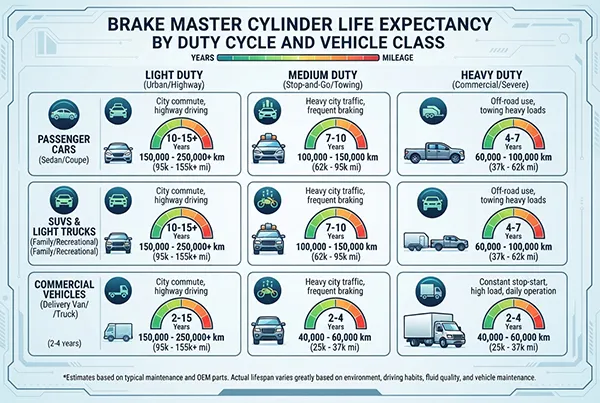
That distinction matters more than it sounds. If you treat mileage as a maintenance interval, you will misjudge both the parts you stock and the suppliers you keep. Below is a breakdown of what actually drives brake master cylinder life, how failure appears before any leak, and what to check before your next order.
Why Is Mileage a Misleading Way to Judge Brake Master Cylinder Life?
Buyers want a number because numbers fit neatly into a catalogue. The trouble is that a number ignoring how the vehicle is used sets a false expectation. It leads to premature replacements and, worse, to warranty claims dismissed for the wrong reason. The real unit of measurement is duty cycle, not the odometer.
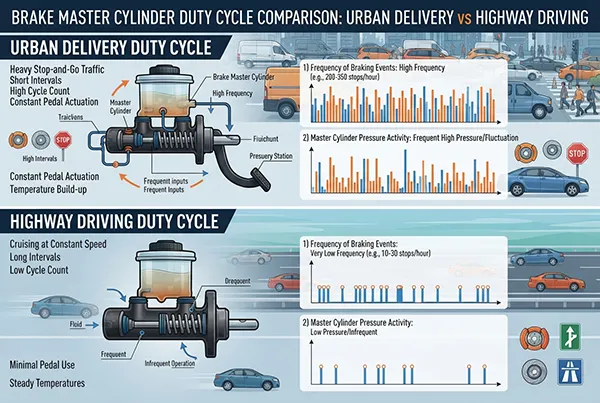
Mileage alone tells you very little about a brake master cylinder. A loaded vehicle on rough roads with constant stopping can wear out a cylinder long before a highway-driven vehicle reaches the same odometer reading.1 Two identical parts. Two very different lives.
Mileage Describes Use, Not Durability
Two vehicles can leave the same assembly line. One spends its life at steady highway speed. The other runs a delivery route with hundreds of stop-start cycles a day. The master cylinder in the delivery vehicle builds pressure far more often, and every pressure stroke works the seals and the bore.
That is why two identical parts can fail thousands of miles apart. The part did not change. The duty cycle did.
For a buyer, this is practical information. Once you know which duty cycles dominate your market, you can predict which grades will come back as claims, and you can price and stock accordingly.
Where the Mileage Question Usually Comes From
In conversations with importers and wholesalers over the years, the question almost always arrives in the same shape: "How many miles will this last?" It typically follows a warranty return. It usually comes from a purchasing manager who needs one simple line for the catalogue page.
The impulse makes sense. Catalogue pages need simple statements. But when the answer is a single number, the buyer has accepted a promise nobody can keep. A supplier who replies with a confident figure and asks no follow-up questions is telling you how they will handle the claim later.
What to Measure Instead
Swap the mileage question for a conditions question. Useful substitutions:
- Vehicle class and gross weight — heavier vehicles generate higher line pressures.
- Stopping frequency per shift — urban delivery versus long-haul changes seal cycling dramatically.
- Climate and temperature swings — heat and humidity accelerate fluid degradation.
- Brake fluid service history — neglected fluid is the quiet killer.
- Road surface and vibration — rough roads stress mountings, lines and reservoirs.
What Really Determines How Long a Brake Master Cylinder Lasts?
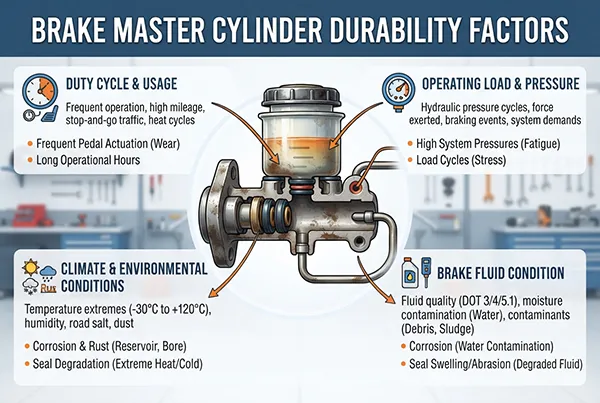
Six factors decide most of the outcome: duty cycle, vehicle class and load, climate, brake fluid condition, driving pattern, and the quality of the part itself. Five of those belong to the vehicle's operating world. Only one belongs to you — and it is the one you can verify before purchase.
That single factor is spec match. Bore diameter, seal material, surface finish and tolerances set the baseline a master cylinder starts from.2 Everything else is the life it lives afterward.
The Six Factors at a Glance
| Factor | Effect on master cylinder life | Under your control? |
|---|---|---|
| Duty cycle (stop-start vs highway) | High cycle counts wear seals and bore faster | Partly, through grade selection |
| Vehicle class and load | Heavier loads raise pressure and heat | Partly, through application matching |
| Climate | Heat, humidity and road salt speed up degradation | No, but you can stock for it |
| Brake fluid condition | Moisture and contamination attack seals from inside | Indirectly, through customer guidance |
| Driving pattern | Heavy braking and resting a foot on the pedal add cycles | No |
| Part quality and spec match | Bore finish, seal material and tolerances set the baseline | Yes — your main lever |
Climate and Fluid Are the Two Silent Factors
Climate is easy to underestimate. A cylinder sold into a hot, humid coastal market faces moisture ingress that a dry inland market never sees. The same part number can behave differently across two regions you supply from one warehouse.
Brake fluid matters for a similar reason. Glycol-based fluid absorbs moisture over time, and that moisture lowers the boiling point while encouraging internal corrosion. Poor fluid maintenance wears out a healthy master cylinder from the inside. Since fluid is a service item rather than a part you sell, it is the factor buyers talk about least and field claims reflect most.
Your Real Leverage Is Spec Match
Because you cannot control how the vehicle is driven, your leverage sits in the specification. When evaluating a brake master cylinder for a given application, look at:
- Bore diameter — must match the original application so pedal feel and pressure output stay within design range.
- Seal material — must be compatible with the fluid type the market uses.
- Bore surface finish — consistent honing protects seals and reduces early bypass.
- Reservoir and port layout — mismatched ports create installation errors and comebacks.
- Mounting and sensor provisions — a missing fluid-level switch generates complaints that have nothing to do with durability.
What Are the Early Warning Signs of a Brake Master Cylinder Failing?
Most failures announce themselves through performance, not through fluid on the ground. Pedal fade, a sinking pedal, slow pressure loss overnight and dark or gritty fluid all appear before visible seepage. If you only track leaks, you are measuring the failure after the vehicle has already come back.
That gap is where warranty claims become expensive. It also explains why "no leak" is the most common phrase in a return report and the least useful one.
The Signals Buyers Tend to Miss
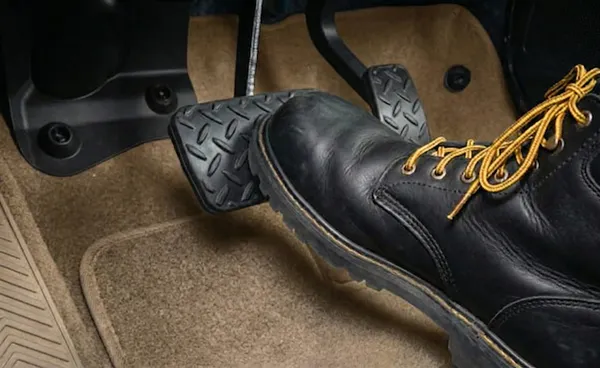
- Pedal fade during repeated braking, especially when hot.
- A sinking pedal held at a stop, which often points to internal bypass.
- Slow pressure loss overnight, with no visible fluid loss.
- Fluid that darkens or feels gritty earlier than the service interval suggests.
- Longer pedal travel than the same model had when new.
- Visible seepage at the rear seal or around the reservoir — usually the last signal, not the first.
Why "No Leak" Is a Dangerous Assumption
Inside a master cylinder, fluid can slip past the piston seals and return to the reservoir.3 Nothing escapes to the outside, so nothing appears under the vehicle. The driver simply reports a soft or slowly sinking pedal, and the workshop finds a dry, clean-looking unit.
This internal bypass failure is the one that produces the most disputed claims. A buyer who only accepts visible leakage as evidence will reject legitimate returns, damage the relationship with their installer network, and still have to replace the part. A buyer who accepts documented pedal behaviour as evidence gets a clearer picture of what actually failed.
Turning Symptoms Into Fewer Claims
A few low-cost habits reduce return rates more than any datasheet claim:
- Train counter staff and installers to record pedal behaviour, not just leakage.
- Capture vehicle class, mileage and fluid service history on every return.
- Group claims by vehicle model and duty cycle, not by part number alone.
- Feed the results back into which grades you buy for each market.
How Do You Choose and Verify the Right Brake Master Cylinder for Your Market?
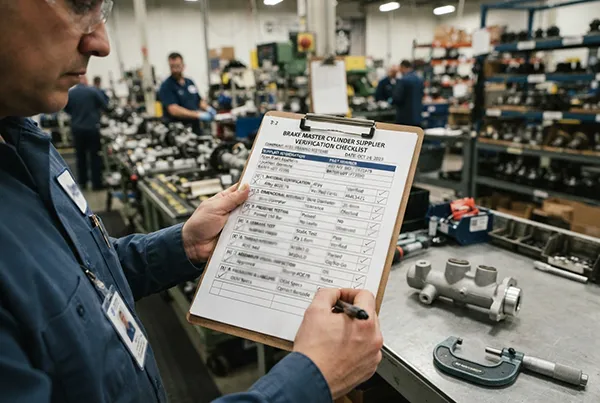
Start by matching the application, not the price. Confirm bore diameter, port configuration, reservoir type, mounting points and fluid compatibility against the exact vehicle. Then verify the supplier. Ask what conditions the part was validated against, and treat catalogue claims as questions to be tested rather than facts.
This is the step most buyers skip under time pressure, and it is the step that decides whether your next container arrives as inventory or as claims.
Match the Specification First
Before price negotiation, pin down these items:
- Bore diameter and stroke matching the original application
- Port thread type, position and orientation
- Reservoir shape, capacity and cap type
- Seal material compatible with the DOT fluid used in your market
- Presence of fluid-level sensor provisions where the vehicle requires them
A master cylinder that is technically "close" is a comeback waiting to happen. Installation friction and pedal complaints cost far more than the few cents saved on a cheaper unit.
Questions Worth Asking Any Supplier
- Which vehicle models and duty cycles was this part designed around?
- What bore tolerance and surface finish do you hold in production?
- Which seal material is used, and which fluid specs is it compatible with?
- How do you handle a claim where the pedal is soft but no leak is visible?
- What is the warranty period, and what does it actually cover?
- Can I see your quality documentation and the scope of your certification?
- How quickly can you supply a replacement or a new category?
The answers tell you more about durability than any mileage figure. A supplier who cannot describe their process in detail is unlikely to stand behind the outcome.
Treat Certifications as Documents, Not Badges
A quality certificate is a document you verify, not a logo you print. Ask for the certificate itself, check its scope, its issuing body and its validity dates. For automotive hydraulic parts, an IATF 16949-aligned quality system is the usual benchmark buyers look for in this category4.
Our own factory operates to IATF 16949 technical specifications, and we share that documentation with buyers who ask. That is how it should work in both directions.
Compare Warranty Terms in Real Numbers
Warranty wording separates serious suppliers from optimistic ones. A term like one year or 30,000 km gives you something concrete to compare across quotes.5 Ask what happens when a claim falls just outside that window, and whether the supplier covers the replacement part, the labour, or both.
A Simple Selection Rule
Choose the grade that survives the hardest duty cycle in your market, not the one that looks best on a spec sheet.
For most importers, a small number of well-matched, higher-grade part numbers covering the dominant vehicle classes outperforms a wide catalogue of marginal ones.
Frequently Asked Questions
How many miles do most brake master cylinders last?
Aftermarket sources commonly cite 60,000 to 150,000 miles, but treat that as a rough observation rather than a specification. Vehicles used for frequent short trips, heavy loads or hot climates can fall well below the lower figure. Highway-driven cars often exceed the upper one.
Can a brake master cylinder fail without leaking?
Yes. Internal seal bypass lets fluid slip past the piston and return to the reservoir, so no fluid reaches the outside. The driver notices a soft, sinking or slowly dropping pedal instead. This is a genuine failure mode and should not be dismissed simply because the unit looks dry.
Does brake fluid affect brake master cylinder life?
It does, and often more than buyers expect. Glycol-based fluid absorbs moisture over time, which lowers its boiling point and encourages internal corrosion. Fluid that is never serviced can wear out a healthy master cylinder from the inside well before its expected service life.
What should I ask a supplier before stocking a brake master cylinder?
Ask which vehicle models and duty cycles the part was designed for, what bore tolerance and seal material are used, how internal bypass claims are handled, and what the warranty covers. Then request the quality certificate itself and check its scope and validity.
Is a higher-grade brake master cylinder worth the extra cost?
Usually yes, if the grade matches your market's hardest duty cycle. The part price is a small share of the real cost of a failure. Returns, labour, freight and installer confidence cost far more than the difference between a marginal unit and a well-matched one.
Conclusion
Mileage is a symptom of brake master cylinder life, not a specification for it. Duty cycle, vehicle class, climate, fluid condition and driving pattern decide most of the outcome, and spec match is the one factor you control. Judge failure by pedal behaviour, not only by visible leaks. Then verify your supplier with documents, process questions and clear warranty terms. GDST has supplied hydraulic cylinders to OEMs and aftermarket distributors for over 20 years, covering the majority of European, American, Japanese and Korean models. Contact us for a specification match or a custom category.
"Experimental Study of Automotive Brake System ...", https://www.wsdot.wa.gov/research/reports/fullreports/434.1.pdf. Durability research indicates that repeated brake applications and demanding vehicle operating conditions can increase hydraulic-system cycling and stress, providing contextual support for comparing duty cycle rather than odometer mileage alone. Evidence role: mechanism; source type: research. Supports: Engineering or fleet research linking brake actuation frequency, vehicle loading, road conditions, and hydraulic-component wear.. Scope note: The evidence may concern the brake system as a whole rather than isolating master-cylinder failure. ↩
"Theoretical and Experimental Research Concerning ... - PMC", https://pmc.ncbi.nlm.nih.gov/articles/PMC10780491/. Hydraulic-sealing research supports the relevance of bore geometry, surface condition, elastomer compatibility, and dimensional control to leakage and wear performance in piston-cylinder assemblies. Evidence role: mechanism; source type: research. Supports: Engineering research describing how hydraulic bore geometry, surface finish, seal compatibility, and dimensional tolerances affect leakage, friction, and wear.. Scope note: These factors interact with fluid chemistry, temperature, contamination, and assembly quality, so they do not independently predict field life. ↩
"Hydraulic Valves - Brakes Steering and Suspension", https://brakes.siu.edu/hydraulics.htm. Brake-hydraulic service literature describes internal leakage past master-cylinder piston seals as a mechanism that can prevent pressure retention while leaving no external fluid trail. Evidence role: mechanism; source type: education. Supports: A technical source explaining internal leakage across master-cylinder piston seals and its effect on pressure retention without visible external fluid loss.. Scope note: The described mechanism is one possible explanation for a soft or sinking pedal and does not by itself identify the failed component. ↩
"IATF 16949", https://en.wikipedia.org/wiki/IATF_16949. IATF materials establish the standard's role in automotive quality-management systems and supplier requirements, providing context for its relevance to automotive-part procurement. Evidence role: historical_context; source type: institution. Supports: Official IATF or automotive-industry material describing IATF 16949 as a quality-management standard used in the automotive supply chain.. Scope note: The standard's relevance does not demonstrate that it is universally required or that alignment alone certifies the quality of a particular master cylinder. ↩
"Businessperson's Guide to Federal Warranty Law", https://www.ftc.gov/business-guidance/resources/businesspersons-guide-federal-warranty-law. Warranty guidance supports comparing stated duration and usage limits, while also requiring attention to exclusions, remedies, and whether labour or consequential costs are covered. Evidence role: general_support; source type: government. Supports: Consumer-protection or procurement guidance explaining why warranty duration, mileage limits, exclusions, and covered costs are material comparison criteria.. Scope note: A longer or more clearly stated warranty does not necessarily indicate superior component durability, and enforceability varies by contract and jurisdiction. ↩