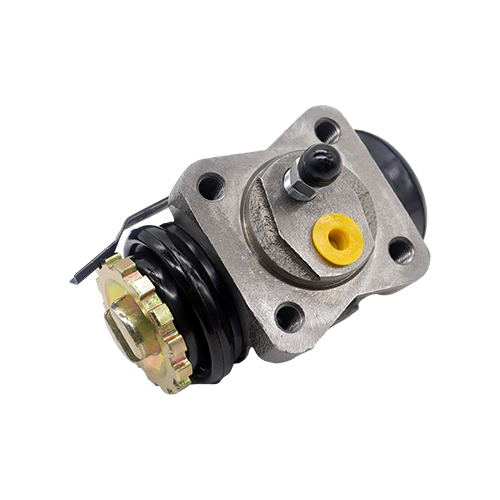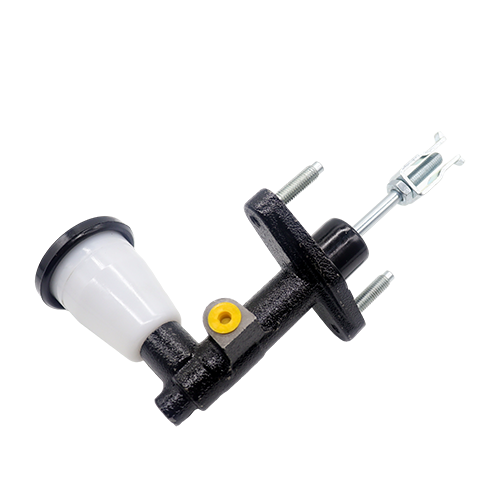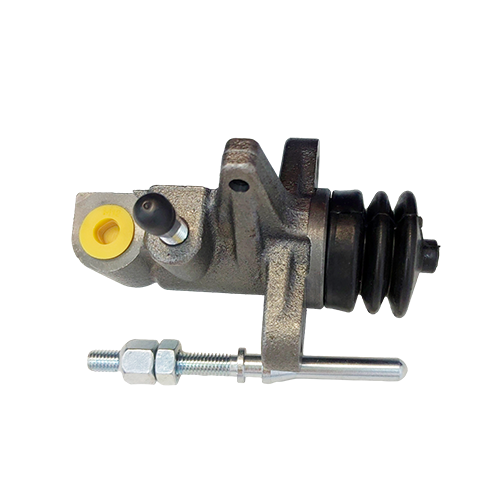
If you are chasing a brake wheel cylinder failure that showed up weeks after installation, you are not alone. A weeping or sticking cylinder can turn a straightforward order into returns, rework and uncomfortable conversations with your customers. In our experience, most early failures trace back to choices made long before the part was fitted.
A brake wheel cylinder most often fails because of fluid contamination or water absorption, bore corrosion, seal swelling, dust ingress, or a mismatch between the cylinder and the vehicle, the fluid type or the climate it works in. A manufacturing defect is possible, but in aftermarket patterns it is usually the last explanation, not the first.
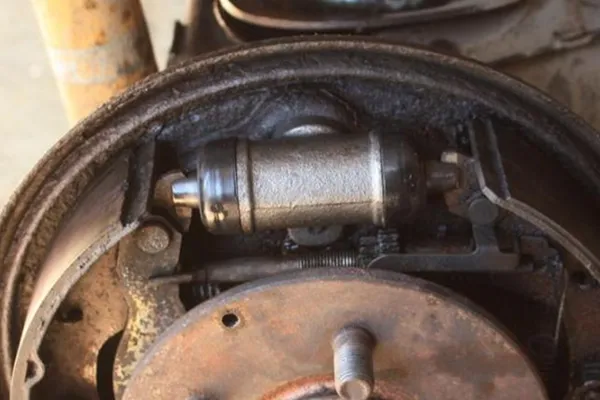
Before we blame the part, I want to separate the symptoms. Seepage, sticking and noise each point in a different direction. Once you can name the symptom clearly, the cause becomes much easier to trace.
What Are the Main Brake Wheel Cylinder Failure Symptoms?
Buyers often describe every problem with one word: broken. That makes diagnosis impossible. A cylinder that weeps, a cylinder that sticks and a cylinder that squeals are three different stories, and each one leads somewhere different.
The three main brake wheel cylinder failure symptoms are fluid seepage around the dust boot or piston, piston sticking or slow return that leaves the brake dragging, and abnormal noise during braking or release. Each symptom has its own typical causes, so they should be investigated separately rather than treated as one fault.
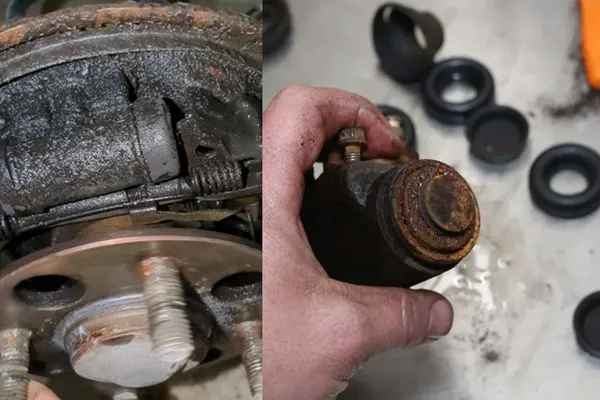
Why the symptom matters more than the verdict
A recurring question I receive from importers is some version of: "The whole batch is bad, can you confirm?" My answer is usually another question — what exactly is happening on the vehicle? The reply decides everything.
| Symptom the driver reports | What it commonly indicates | Where to look first |
|---|---|---|
| Wet dust or fluid at the backplate | Seal or bore problem, contaminated fluid | Fluid condition, seal swelling |
| Brake drags and the wheel runs hot | Piston sticking or slow return | Bore corrosion, return spring |
| Squeal, chirp or metallic rub | Dust ingress, glazing, worn hardware | Dust boot, springs, adjuster |
In our after-sales communication, seepage is the most common complaint, sticking comes second, and noise is the one most often caused by something outside the cylinder entirely. That last point matters, because replacing cylinders will not fix a noise that comes from worn shoes or loose hardware.
I also ask buyers to record when the failure appeared. A cylinder that seeps within the first few weeks usually points to fluid, storage or installation. A cylinder that seeps after a year of service often points to normal wear or an ageing fluid system. Same symptom, very different conversation.
Why Does a Brake Wheel Cylinder Leak Fluid?
A small damp patch behind the backplate looks harmless at first. Then it spreads, the fluid level drops, and your customer starts asking who pays for the comeback. Leaking is the symptom that damages trust fastest.
A wheel cylinder usually leaks because brake fluid has absorbed moisture and corroded the bore, because the seal has swollen from the wrong fluid type, or because the piston has travelled past its normal range into a rougher part of the bore. Damaged dust boots and contaminated fluid make all three worse.
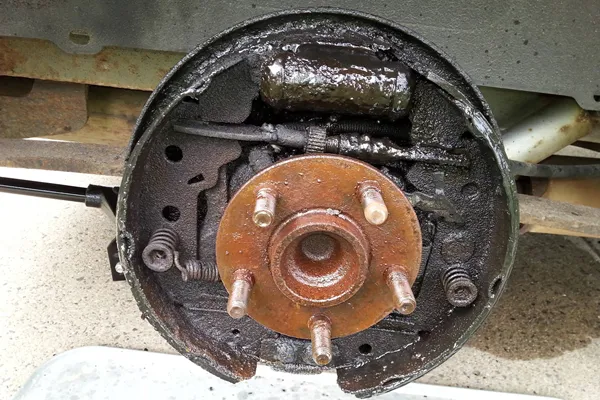
The causes I see most often
Brake fluid is hygroscopic, which means it absorbs moisture from the air over time. Once moisture is inside the system, heat accelerates corrosion on the bore surface. A pitted bore cannot seal properly, no matter how good the rubber is.
A few patterns come up again and again:
- Old or contaminated fluid. Fluid that has been in the system for years carries water and debris straight to the seal.
- Wrong fluid type. Seal compounds are matched to fluid chemistry. Using a fluid the seal was not designed for commonly causes swelling and softening.
- Bore corrosion. Rust and pitting on the bore surface let fluid pass the seal.
- Piston over-travel. Worn drums or shoes push the piston further than normal. It then rides on a section of bore that never gets swept clean.
- Installation damage. A torn dust boot or a scored bore during fitting opens the door to leaks.
- Storage and transit. Long sea freight and slow shelf movement expose parts to humidity before they are ever installed.
None of these are exotic. The uncomfortable truth is that most leaking complaints I handle cannot be settled by looking at the part alone. They need the fluid history, the storage story and the installation record. When a buyer can supply those three things, the conversation becomes technical instead of emotional. When they cannot, everyone guesses, and the supplier usually carries the blame by default.
Why Does a Wheel Cylinder Piston Stick or Drag?
A dragging brake is easy to miss at first. The driver notices a hot wheel, slightly poor fuel economy or a pulling feeling. By the time it is obvious, the shoes may already be glazed.
A wheel cylinder piston usually sticks because corrosion or varnish on the bore stops it from returning, because the seal has swollen, or because dust and moisture have entered past a damaged boot. A weak return spring or worn brake hardware can produce the same dragging symptom even when the cylinder itself is sound.
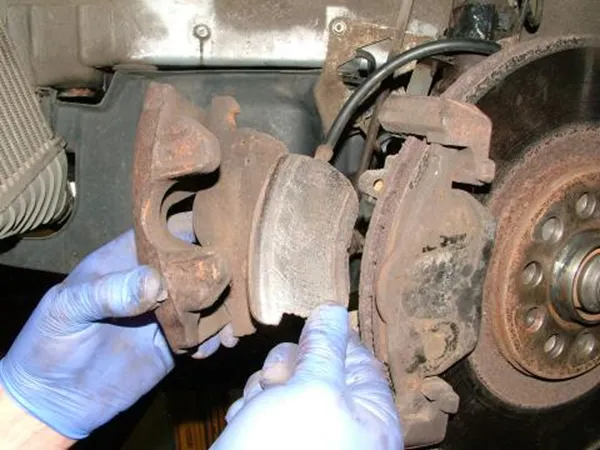
Sticking is a return problem, not a pressure problem
Hydraulic pressure pushes the piston out easily. Getting it back is the hard part. That return depends on the seal, the spring and clean bore surfaces working together.
The usual suspects are:
- Bore corrosion and varnish from old fluid, which grips the piston.
- A swollen seal that no longer flexes back into shape.
- Dust ingress through a split or badly seated boot.
- A weak or broken return spring, which leaves the shoes in light contact.
- Restricted flexible hose. An internally deteriorated hose can act like a one-way valve and hold pressure at the cylinder.
- Wrong part number or bore size, which changes travel and loading.
For importers, the practical test is batch behaviour. If one cylinder in a shipment of two hundred drags, I look at fluid and installation. If forty drag, I want the supplier's production and storage records. That is a different investigation, and it belongs in the procurement process, not in a debate about one part.
What Makes a Wheel Cylinder Noisy or Slow to Return?
Noise is the complaint that misleads buyers most often. It sounds serious, and it is easy to assume the newest part is the guilty one. Sometimes it is, and sometimes the cylinder is simply the part that got replaced last.
Noise and slow return usually come from dust ingress or a dry bore, glazed brake linings, worn or loose hardware, or a weak return spring. In many cases the cylinder is not the source at all — the noise traces back to shoes, springs, adjusters or hose condition that were not refreshed during the repair.
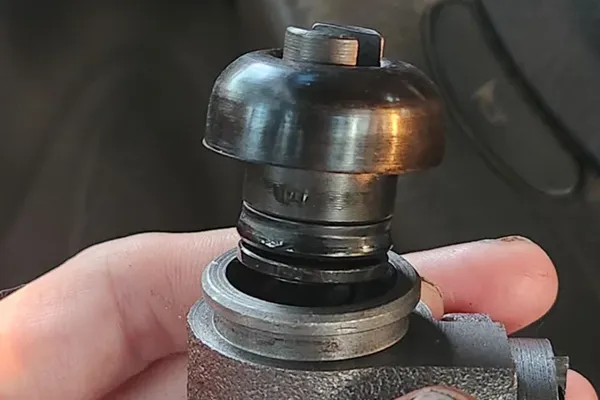
What I ask buyers to check first
Before anyone condemns a cylinder for noise, I walk through a short list:
- Was the brake hardware replaced? Springs, adjusters and clips wear out, and reusing them is a common cause of noise and slow return.
- Were the shoes and drums in good condition? Glazed linings squeal regardless of the cylinder.
- Was the flexible hose inspected? A collapsing hose keeps pressure on the cylinder and causes drag.
- Was the dust boot intact after fitting? A boot that was rolled or pinched during installation lets water and grit in.
- Was the correct bore fitted? A mismatched cylinder changes the whole balance of the brake.
Here is the part I want buyers to hold on to: noise is a system symptom, not a part verdict. When a customer sends me a video of a squealing brake, I cannot tell them the cylinder is fine or faulty from the video alone. I can only tell them what to inspect. That is not evasion. That is what twenty years of after-sales messages has taught me about how these complaints actually resolve.
How Do You Prevent Brake Wheel Cylinder Failure Before You Order?
Every failure we have discussed is cheaper to prevent at the order stage than to resolve after the container lands. That is where a buyer has real control, and where a supplier can either help or hide.
You prevent brake wheel cylinder failure by verifying the exact vehicle and axle variant, the bore and thread specification, seal compatibility with the fluid used in your market, corrosion protection for the local climate, and packaging and storage conditions for long transit. Selection risk is managed before the purchase order, not after the claim.
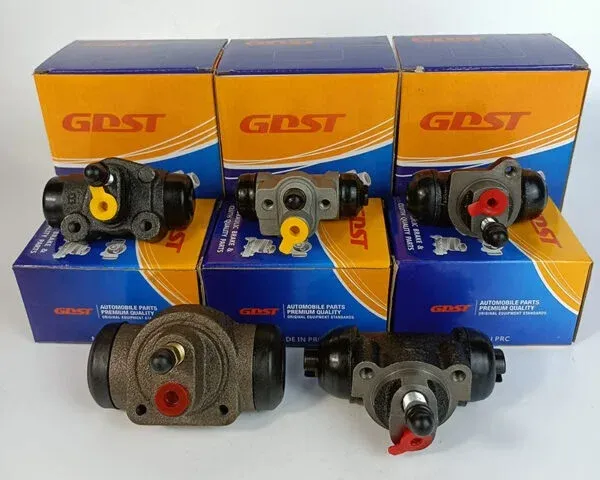
A pre-order checklist that has saved my customers money
| What to verify | Why it matters |
|---|---|
| Exact vehicle, axle and variant | Bore and mounting differ across model years |
| Bore diameter and thread spec | Wrong bore changes pedal travel and feel |
| Seal material vs market fluid (DOT3/DOT4) | Seal swelling follows fluid chemistry |
| Corrosion protection for climate | Coastal, humid and road-salt markets punish exposed bores |
| Packaging and shelf time | Long transit and slow-moving stock let moisture in |
I recommend buyers treat certifications the same way. We work to IATF 16949 specifications, and I always tell customers to ask for the certificate, check its scope and confirm it is current rather than accepting a logo on a brochure. A document you have verified is worth more than a claim you have not.
Why a batch-level failure is a procurement risk
When a whole shipment weeps within weeks, the product problem is only half of it. The real exposure is the returns process, the labour cost of a second installation, the claim paperwork and your reputation with the garages you supply. Those costs usually exceed the value of the parts.
That is why I ask buyers to keep simple records: fluid type used in each market, storage conditions, and installation notes from the first few vehicles. When something goes wrong, those records separate a genuine quality issue from an application issue in days instead of months.
Frequently Asked Questions
Is a leaking wheel cylinder always a manufacturing defect?
No. Seepage commonly traces back to contaminated or moisture-heavy fluid, bore corrosion, the wrong fluid type for the seal, or installation damage. A defect is possible, but I would verify fluid history, storage conditions and fitting practice before treating the part as the cause.
Can old brake fluid really damage a new wheel cylinder?
Yes. Brake fluid absorbs moisture over time, and that moisture drives corrosion inside the bore. Fitting a new cylinder onto a system with old fluid often shortens its life. In our experience, a fluid change alongside the repair prevents many repeat complaints.
Should I replace wheel cylinders in pairs?
Most professional buyers and garages replace them per axle, and I think that is sensible. Both sides usually share the same fluid history and the same wear pattern. Replacing one side only can leave the older cylinder dragging and create an uneven brake balance.
What should importers check when a batch fails early?
Check how many units failed, how quickly, and in which markets. Then review fluid type, storage conditions and installation feedback. A scattered failure pattern points to application, while a concentrated pattern deserves a full supplier review with production and packaging records.
Conclusion
A brake wheel cylinder failure is rarely a single "bad quality" verdict. Seepage, sticking and noise each point to different causes, and most of them trace back to fluid condition, corrosion, dust ingress, installation practice or a spec that did not match the vehicle and the market. Prevention belongs in your purchasing checklist: correct bore and thread, compatible seal material, climate-appropriate corrosion protection, and packaging that survives long transit. If you want to review a brake wheel cylinder specification against your market conditions, send our team at GDST Auto Parts your vehicle list and fluid requirements. We back our hydraulic parts with a one-year or 30,000 km warranty and a direct line to the factory.