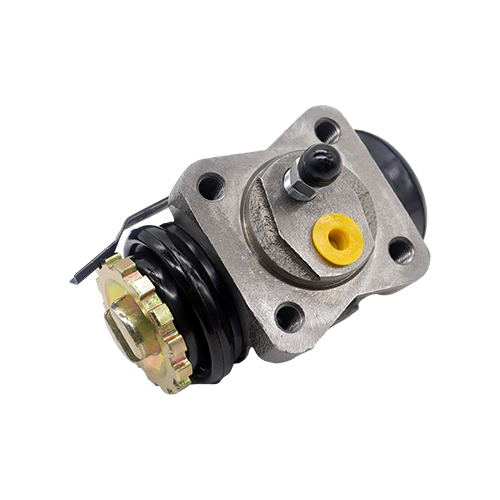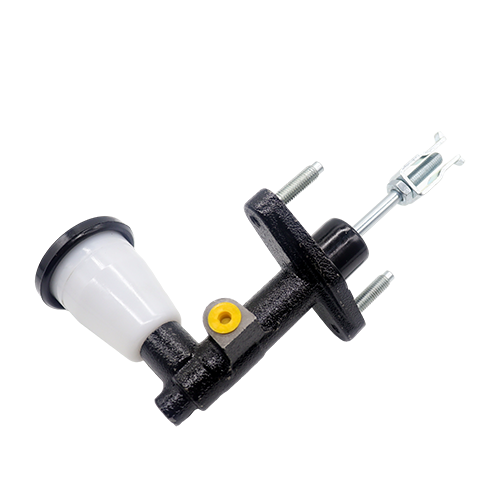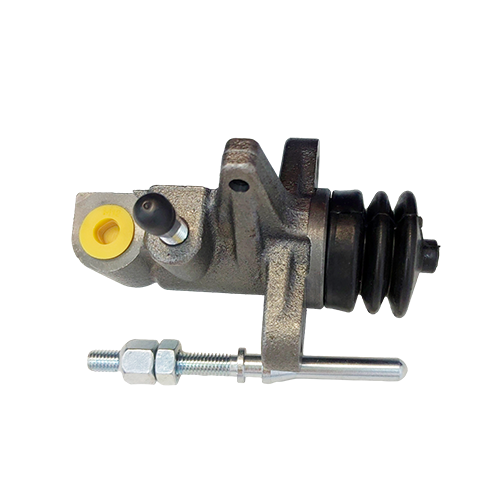
A clutch slave cylinder turns the pressure you create at the pedal into the movement that releases your clutch. Order one by model year alone, though, and you can still receive a part that will not seal or will not stroke correctly. The answer is to specify it properly before you buy.
A clutch slave cylinder is a hydraulic cylinder mounted on the transmission or clutch housing. It receives pressurized fluid from the clutch master cylinder and pushes a rod that moves the release bearing, separating the clutch disc from the flywheel so you can change gear. It is a matched hydraulic component, not a universal wear item.
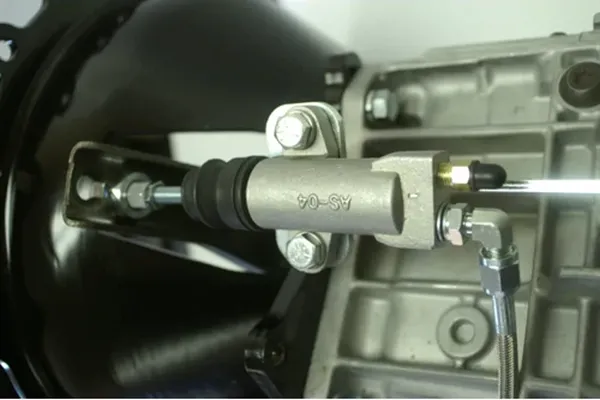
Now that you know what it is, the more useful question is what it has to match. The sections below cover its function, how it differs from the master cylinder, what you should specify, why it fails, and which build details decide how long it lasts.
What Does a Clutch Slave Cylinder Do?
Many inquiries we receive describe the part by vehicle model and nothing else. That makes the answer guesswork. If you can picture what the cylinder actually does, the specification conversation becomes far shorter and far more accurate.
The clutch slave cylinder sits at the end of the hydraulic circuit. Pressing the pedal makes the master cylinder push fluid through the line. The slave cylinder converts that fluid pressure into straight-line movement, and its pushrod acts on the release fork or bearing. That action separates the clutch, so you can shift gear.
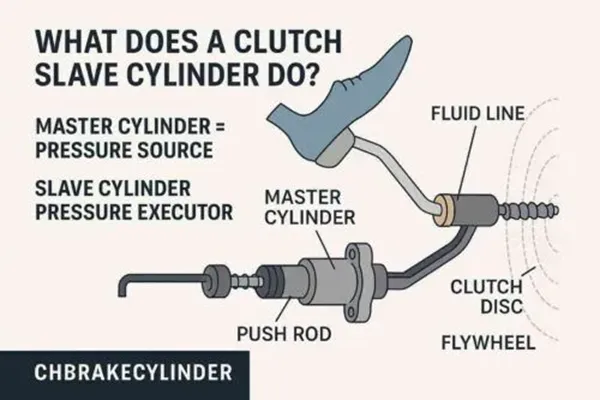
The path from pedal to clutch
The circuit is simple, and knowing the order helps you diagnose problems later:
- You press the clutch pedal.
- The master cylinder converts pedal force into hydraulic pressure.
- Fluid travels through the line to the clutch slave cylinder.
- The piston inside the cylinder moves outward.
- The pushrod moves the release fork or release bearing.
- The clutch disc separates from the flywheel, and the gear can change.
Every part in that chain shares the same fluid. That is exactly why a spongy pedal is not automatically a slave cylinder fault.
Two designs you will meet
| Design | Where It Sits | What You Should Know |
|---|---|---|
| External slave cylinder | Bolted outside the bell housing | Easier to reach, common on older vehicles and many light commercials |
| Concentric slave cylinder (CSC) | Built around the input shaft, inside the bell housing | Also carries the release bearing; gearbox removal is usually needed |
From a manufacturing and aftermarket-claims perspective, both designs fail in similar ways. They leak at the seal, they lose stroke, or the bore wears. The main difference is how much labour the replacement takes.
How Is It Different From the Master Cylinder?
Buyers often use "master" and "slave" interchangeably in the same email. That single habit causes a large share of the wrong-part returns we see on the aftermarket side. The two parts sit in the same circuit, but they do very different jobs.
The master cylinder is the pump. It sits on the firewall, connects to the pedal, and creates the pressure. The slave cylinder is the actuator. It sits on the transmission and turns that pressure back into movement. One generates force, the other applies it.
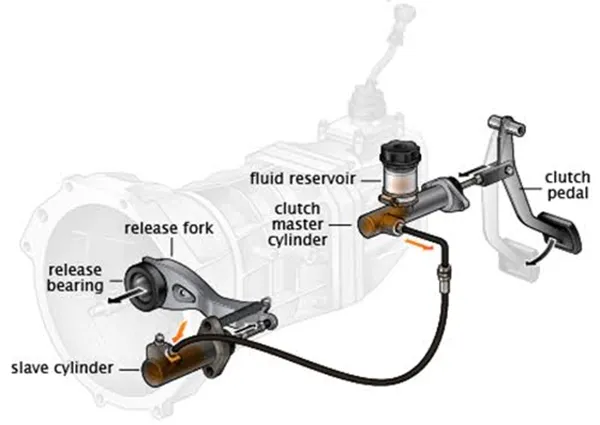
Three parts, three jobs
A useful way to keep them apart is to ask what each part touches:
- Master cylinder — touches the pedal and the fluid reservoir. Small bore, long stroke.
- Slave cylinder — touches the fluid line and the release mechanism. Larger bore, shorter stroke.
- Release bearing — touches the clutch pressure plate. It is a bearing, not a hydraulic part, although a concentric slave cylinder combines both.
Why the confusion costs money
When you send an inquiry, the two names point to different part numbers, different mounting points, and different prices. A supplier who receives "clutch cylinder for a 2013 Hilux" cannot confirm anything useful without asking again. That back-and-forth usually costs you days.
A quick way to identify what you are holding
If you are checking a part on the bench, this takes about ten seconds:
- A reservoir on top or a feed hose from the reservoir usually means master cylinder.
- A single pressure line plus a pushrod or flange toward the gearbox usually means slave cylinder.
- A part built into a bearing housing with a connector is likely a concentric slave cylinder.
The split is easy to remember once you have seen the parts side by side. It also changes what you need to specify, which is the next question.
What Should You Specify Before Ordering?
Model year is the most common detail in an inquiry, and on its own it is not enough. Two vehicles sold in the same year with the same badge can carry different engines and different gearboxes. Order on year alone, and mismatch is the predictable result.
To order a clutch slave cylinder correctly, you should supply the engine code, the transmission variant, and the bore diameter, plus the mounting and port type. Those five details decide whether the part will bolt on, seal, and stroke through its full travel.
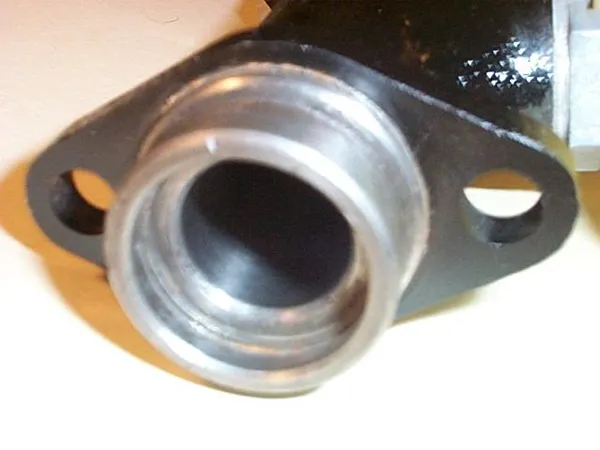
The details that actually decide fit
| What to Specify | Why It Matters | Where to Find It |
|---|---|---|
| Engine code | Same body, different clutch hydraulics | VIN plate or engine stamping |
| Transmission variant | Bore and mounting differ by gearbox | Gearbox tag or build sheet |
| Bore diameter | Wrong bore changes pedal feel and travel | Old part, or supplier drawing |
| Mounting pattern | Decides whether it bolts up | Old part photo |
| Port and fitting type | Decides whether the line seals | Old part or line connector |
Why bore size deserves its own line
Bore diameter is the detail buyers skip most often. A cylinder with a slightly different bore will still bolt on and still bleed. What changes is how far the pushrod travels for a given pedal movement. The result is a clutch that bites too low, too high, or not fully.
From a production point of view, bore is the first number we check when a customer asks for a match, because it is the number that cannot be corrected afterwards.
Send a photo, not just a model name
In practice, the fastest inquiry we receive includes the old part photographed from two angles, the connector type, and any marking on the housing. You do not need perfect data. You need enough for the supplier to identify the exact variant. That habit removes most wrong-part claims before they ever happen.
Why Does a Clutch Slave Cylinder Leak or Feel Spongy?
Leakage, a spongy pedal, and a short stroke are the three complaints we see most often in warranty and claim records. It is tempting to treat each one as proof of a bad cylinder. In many cases, though, the cylinder is a symptom rather than the source.
A leaking slave cylinder usually points to seal condition or bore wear. A spongy pedal often points to air or a failing master cylinder. A short stroke can come from the master cylinder, the circuit, or the release mechanism. Diagnosis has to look at the whole circuit.
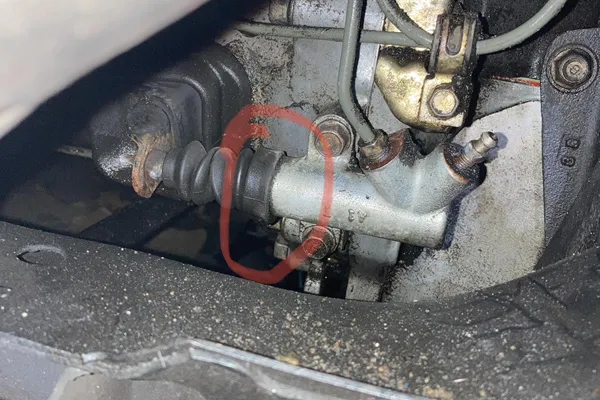
Leakage: what it usually means
Fluid appearing at the cylinder is the clearest sign, but the cause is not always inside it:
- Seal condition — rubber hardens with heat and age, then stops sealing.
- Bore wear or scoring — a rough bore wears the seal lip from the inside.
- Surface finish — a bore that is too rough or too polished can both cause trouble.
- Fluid contamination — dirt or the wrong fluid damages seals over time.
- Line and fitting leaks — fluid runs down and looks like a cylinder leak.
Spongy pedal: air, not always the cylinder
A spongy pedal usually means air in the system or a master cylinder that cannot hold pressure. Replacing the slave cylinder without bleeding properly, or without checking the master, often brings the same complaint back. We hear about this regularly in claim conversations.
Short stroke: check the whole chain
If the pedal travels but the clutch does not release fully, look at:
- Master cylinder output — a worn master may not displace enough fluid.
- Pushrod adjustment — on adjustable designs, the free play matters.
- Release fork and bearing wear — mechanical wear consumes travel.
- Flexible line expansion — an old hose can bulge under pressure.
For a buyer, the practical point is simple. A cylinder that fails early is worth investigating, but a cylinder replaced for the wrong reason will fail the same way again. That is the difference between a parts problem and a diagnosis problem.
Which Build Details Predict Clutch Slave Cylinder Life?
Two cylinders can look identical on the shelf and behave completely differently after a year on the road. The difference rarely shows in a photo. It sits in the bore machining, the seal compound, and the surface treatment — three things you can ask about directly.
From a manufacturing and aftermarket-claims perspective, these three variables explain most of the spread in service life within the same part number. They are also the easiest points to confirm with a supplier before you commit to a container load.
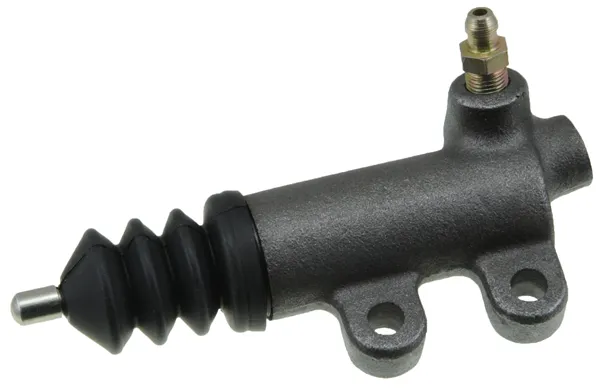
Bore machining tolerance
The piston and seal ride against the bore thousands of times. A bore held to a tight tolerance and a controlled surface finish keeps the seal lip seated. A bore that is out of round, tapered, or too rough will wear the seal from the inside, and the leak appears long before the seal has aged out.
Seal rubber compound
Seal material has to cope with brake fluid, transmission heat, and cold starts. Compound choice affects how the seal behaves across that range. Two suppliers can both quote "EPDM seal" and still deliver different performance, because the formulation and cure matter as much as the material name.
Surface treatment
Housing coatings and bore treatments protect against corrosion. This matters most in humid, coastal, and road-salt markets, where an untreated housing can pit and seize. If you sell into those regions, it is a fair question to ask what treatment the housing carries.
Questions worth asking a supplier
- What bore tolerance is held, and how is it inspected?
- Which seal compound is used, and is it compatible with DOT 3, DOT 4, and DOT 5.1?
- What surface treatment is applied to the housing and bore?
- What warranty terms apply, and what does a claim require?
- Can you supply the bore diameter and a mounting drawing for verification?
None of these questions require an engineering department to ask. They only require a supplier who can answer them from production records. That is usually a good signal on its own.
Frequently Asked Questions
How do I know if my clutch slave cylinder is bad?
Look for fluid around the cylinder or under the bell housing, a pedal that slowly sinks when held down, a spongy feel that does not improve after bleeding, and difficulty selecting gear. Check the master cylinder and lines first, because the symptoms overlap.
Do I need to bleed the system after replacement?
Yes. Any time the hydraulic circuit is opened, air enters and must be bled out. Skipping this step is one of the most common reasons a new clutch slave cylinder appears to have failed, because the pedal still feels soft afterwards.
Does clutch slave cylinder bore size matter?
It does. Bore diameter decides how much fluid displacement becomes pushrod travel. A cylinder with the wrong bore may still bolt on and bleed correctly, but the clutch will engage at the wrong pedal height or fail to release fully.
Are cheaper clutch slave cylinders a bad choice?
Not automatically. Price is a poor indicator on its own, because a low-cost part with a controlled bore and a proper seal can serve well. What matters is whether the supplier can state the bore tolerance, seal compound, and surface treatment.
Conclusion
A clutch slave cylinder is a matched hydraulic component, not a part you pick by model year. It has to match the engine code, transmission variant, bore size, and mounting of the vehicle in front of you. When you specify those details and check bore tolerance, seal compound, and surface treatment, most wrong-part returns and early failures disappear before they reach your shelf.
If you are evaluating this category for your market, we can help you confirm fitment and supply the technical details you need. GDST Auto Parts has produced brake and clutch hydraulic cylinders for over 20 years under IATF16949, and we supply aftermarket importers and distributors directly. Send us your target vehicle list or an old-part photo, and we will come back with the bore, mounting, and warranty information for your evaluation.